info@poolervet.com

7 Vet-Approved Ways to Keep Your Pet Cool This Summer
Book Online
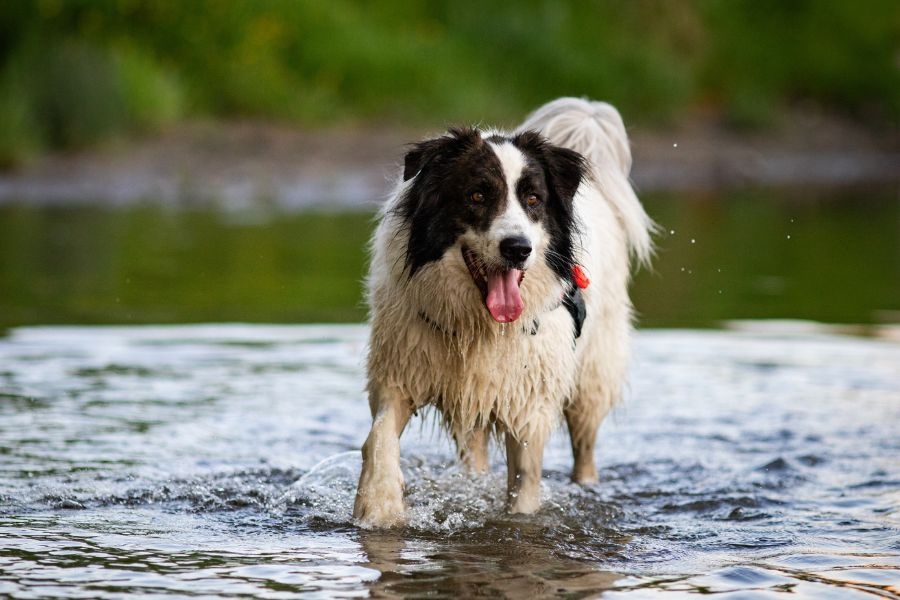
Summer heat can be uncomfortable and even dangerous for pets if owners are not careful. High temperatures and humidity increase the risk of dehydration, overheating, burned paw pads, and heatstroke, especially during outdoor activities. Knowing how to keep pets cool in summer is one of the best ways to protect your furry companion during the hottest months of the year.
In this guide, we’ll share seven vet-approved tips for keeping pets hydrated in summer, preventing heat-related illness, and helping dogs and cats stay safe and comfortable. Whether your pet loves outdoor adventures or prefers relaxing indoors, these simple strategies can make a big difference.
Why Summer Heat Can Be Dangerous for Pets
Pets are more sensitive to heat than many people realize. Dogs and cats cannot cool themselves as efficiently as humans because they mainly rely on panting and limited sweating through their paw pads.
Hot weather can quickly lead to:
- Dehydration
- Heat exhaustion
- Burned paw pads
- Breathing difficulties
- Heatstroke
Some pets are especially vulnerable, including:
- Flat-faced breeds
- Senior pets
- Puppies and kittens
- Overweight pets
- Pets with heart or respiratory conditions
Recognizing overheating early can help prevent emergencies.
1. Keep Fresh Water Available at All Times
One of the best ways to keep pets cool is by ensuring they always have access to clean, fresh water.
Hydration plays a major role in regulating body temperature during hot weather.
Tips for keeping pets hydrated in summer include:
- Refill water bowls frequently
- Add extra water stations around the house
- Bring water during walks and outdoor trips
- Use portable pet water bottles while traveling
- Add ice cubes to water bowls for cooling
Some pets also enjoy pet fountains because moving water feels fresher and more appealing.
2. Avoid Outdoor Activities During Peak Heat
The hottest part of the day is usually between late morning and early evening. During these hours, pavement temperatures can become dangerously high, increasing the risk of overheating.
Instead:
- Walk dogs early in the morning
- Schedule outdoor play after sunset
- Keep exercise sessions shorter on hot days
A simple pavement test can help protect your pet’s paws. If the ground feels too hot for your hand after several seconds, it is likely too hot for your pet’s paws as well.
3. Create Cool Indoor Resting Areas
Keeping pets indoors during extreme heat is one of the safest options.
Help your pet stay comfortable by creating cool resting spaces, such as:
- Rooms with air conditioning
- Shaded areas away from windows
- Cooling mats or elevated pet beds
- Tile or hardwood floors that stay cooler
Fans can improve comfort, but pets still need proper ventilation and hydration to avoid overheating.
Cats, especially, tend to seek cool hiding spots in hot weather, so make sure they have safe, quiet areas to relax.
4. Use Cooling Products Safely
There are several pet-safe cooling products designed to help regulate body temperature during summer.
Popular options include:
- Cooling vests
- Cooling mats
- Frozen pet treats
- Damp towels for resting
- Pet safe ice treats
Avoid placing ice directly on your pet’s body if they appear overheated, as sudden, extreme cooling can cause additional stress.
If your pet shows signs of heatstroke, seek immediate veterinary attention.
5. Never Leave Pets in a Parked Car
Even a few minutes inside a parked vehicle can become life-threatening for pets.
Temperatures inside cars can rise extremely fast, even with cracked windows.
Signs of heat-related distress may include:
- Heavy panting
- Drooling
- Vomiting
- Weakness
- Bright red gums
- Collapse
Leaving pets in vehicles during warm weather is never considered safe.
6. Watch for Signs of Overheating
Understanding early warning signs can help owners act quickly before overheating becomes severe.
Common signs include:
- Excessive panting
- Thick drooling
- Lethargy
- Weakness
- Rapid breathing
- Vomiting
- Bright red tongue or gums
Cats may show more subtle symptoms such as hiding, lethargy, or open-mouth breathing.
If symptoms continue or worsen, contact your nearest veterinary hospital immediately.
7. Adjust Exercise and Playtime During Summer
Pets still need exercise during summer, but activity levels may need to be adjusted on especially hot or humid days.
Safer summer activities may include:
- Indoor games
- Shorter walks
- Swimming with supervision
- Puzzle toys and enrichment activities
- Early morning fetch sessions
Some breeds tolerate heat poorly and may become exhausted faster than expected.
Always monitor your pet closely during outdoor play.
Which Pets are Most at Risk for Heatstroke
Certain pets are at much higher risk of overheating in summer weather.
Higher risk pets include:
- Bulldogs
- Pugs
- Persian cats
- Senior pets
- Overweight pets
- Pets with thick coats
- Pets with respiratory conditions
Flat-faced breeds often struggle to cool themselves effectively because of their airway structure.
These pets may need additional cooling support and shorter outdoor exposure.
Best Ways to Keep Pets Cool While Traveling
Summer road trips and vacations can expose pets to additional heat risks.
Travel safety tips include:
- Keep the air conditioning running
- Bring plenty of fresh water
- Schedule frequent rest breaks
- Use sunshades in vehicles
- Never leave pets unattended in cars
Portable cooling mats and travel water bowls can also help pets stay more comfortable during long trips.
Can Pets Get Sunburned
Yes, pets can develop sunburn, especially those with:
- Light colored fur
- Thin coats
- Hairless areas
- Pink skin
Sensitive areas often include the nose, ears, and belly.
Pet safe sunscreen recommended by your veterinarian may help protect vulnerable skin during outdoor activities.
How Veterinary Care Helps Prevent Summer Emergencies
Routine preventive care helps keep pets healthier during warmer months.
Your veterinarian may provide guidance on:
- Hydration
- Weight management
- Heat safety
- Parasite prevention
- Summer exercise routines
Preventive wellness visits also help identify underlying medical conditions that may increase heat sensitivity.
At Pooler Veterinary Hospital, pets receive supportive care and summer safety guidance designed to help them stay comfortable and protected during hot weather.
Help Your Pet Stay Safe and Comfortable All Summer Long
Knowing how to keep pets cool in summer can help prevent serious heat-related illnesses and keep your furry companion healthier throughout the season. From keeping pets hydrated in summer to avoiding midday heat and recognizing early signs of overheating, small changes can make a major difference in your pet’s safety and comfort.
If you have concerns about heat sensitivity, dehydration, or summer wellness and need professional guidance and preventive care in Bloomingdale, book an appointment with Pooler Veterinary Hospital. Whether your pet enjoys outdoor adventures or prefers to relax indoors, proactive care and summer safety habits are essential in hot weather.
FAQs
Q1: What are the best ways to keep pets cool in summer?
Ans: The best ways include providing fresh water, limiting outdoor activity during peak heat, creating cool indoor spaces, and monitoring for signs of overheating.
Q2: How can I tell if my pet is overheating?
Ans: Common signs include excessive panting, drooling, weakness, vomiting, rapid breathing, and lethargy.
Q3: Why is keeping pets hydrated in summer so important?
Ans: Proper hydration helps regulate body temperature and reduces the risk of dehydration and heatstroke.
Q4: Can pets get heatstroke indoors?
Ans: Yes. Pets can overheat indoors if ventilation is poor, temperatures are too high, or fresh water is unavailable.
Q5: When should I contact a veterinarian for overheating symptoms?
Ans: Contact a veterinarian immediately if your pet shows severe panting, vomiting, collapse, confusion, or difficulty breathing during hot weather.

Ready To Visit Us?
We proudly serve the pets of Pooler, Bloomingdale, Savannah, Port Wentworth, Guyton,
Chatham County, GA and the surrounding areas. At every stage of your pet’s life, we are dedicated to giving
them veterinary treatment of the highest quality.