info@poolervet.com

Why Is My Female Cat Meowing Nonstop?
Book Online
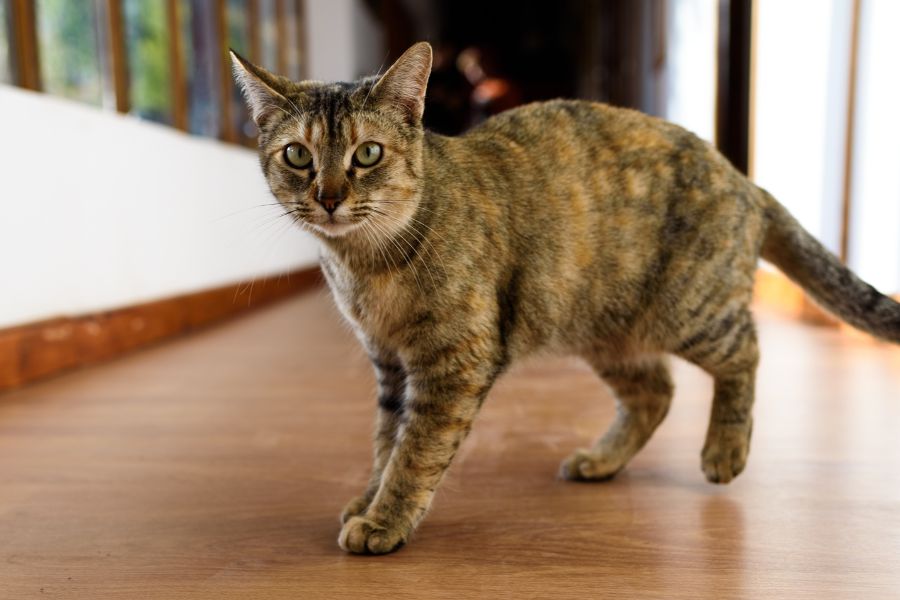
Has your female cat suddenly started meowing constantly, especially at night or for no obvious reason? While some cats are naturally more vocal than others, excessive meowing can sometimes signal an underlying need, behavioral change, or health concern. Understanding why your cat is vocalizing more than usual is the first step toward helping her feel comfortable and addressing any potential issues.
In this guide, we’ll explore the most common reasons a female cat may be meowing nonstop, when excessive vocalization may indicate a medical problem, and when it’s time to schedule a visit with a veterinarian.
Is It Normal for Female Cats to Meow a Lot?
Cats use vocalizations to communicate with people. Some breeds, such as Siamese cats, are naturally more talkative than others. However, if your female cat suddenly starts meowing more frequently or intensely than usual, it’s worth investigating the cause.
A change in vocal behavior often indicates that your cat is trying to communicate a need, discomfort, or change in her environment.
Your Cat May Be in Heat
One of the most common reasons an unspayed female cat begins meowing nonstop is that she is in heat.
Signs a Cat Is in Heat
In addition to excessive vocalization, you may notice:
- Loud yowling or calling
- Increased affection
- Rolling on the floor
- Restlessness
- Attempting to escape outdoors
- Raising the hindquarters when petted
Cats in heat use vocalizations to attract potential mates. These behaviors can continue for several days and may repeat throughout the breeding season.
If your cat has not been spayed, discussing spaying options with a veterinarian can help prevent future heat cycles and provide important health benefits.
Hunger or Food-Related Requests
Some cats become very vocal when they want food.
Your cat may meow repeatedly if:
- Mealtime is approaching
- Her food bowl is empty
- She wants treats
- A feeding routine has changed
Cats quickly learn that vocalizing often gets a response from their owners.
If your cat seems healthy and only vocalizes around feeding times, hunger may be the primary reason for the behavior.
Seeking Attention
Cats can develop habits that successfully capture their owner’s attention.
If your cat receives attention every time she meows, she may learn that vocalizing is an effective way to interact with you.
Attention-seeking behaviors may include:
- Meowing while you’re working
- Following you around the house
- Vocalizing when you’re on the phone
- Calling from another room
Interactive play, enrichment activities, and dedicated bonding time can help reduce attention-seeking meowing in some cats.
Stress and Anxiety
Cats are creatures of habit and can become stressed when routines change.
Common stress triggers include:
- Moving to a new home
- New pets
- New family members
- Changes in schedule
- Home renovations
- Travel
An anxious cat may vocalize more frequently as a response to uncertainty or discomfort.
Other signs of stress may include:
- Hiding
- Overgrooming
- Appetite changes
- Litter box issues
- Increased clinginess
Identifying and addressing the source of stress can often help reduce excessive vocalization.
Boredom and Lack of Mental Stimulation
Indoor cats need regular physical and mental enrichment to stay happy and engaged.
Without sufficient stimulation, some cats may meow excessively out of boredom.
Ways to Reduce Boredom
- Interactive toys
- Puzzle feeders
- Cat trees
- Window perches
- Scheduled play sessions
- Rotating toys regularly
Providing enrichment opportunities helps satisfy natural hunting and exploration instincts.
Medical Conditions That Can Cause Excessive Meowing
Sometimes, nonstop meowing is a sign that something is physically wrong.
Several health conditions can contribute to increased vocalization.
Hyperthyroidism
Hyperthyroidism is common in older cats and can cause:
- Increased appetite
- Weight loss
- Restlessness
- Increased activity
- Excessive vocalization
This condition requires veterinary diagnosis and treatment.
Pain or Discomfort
Cats often hide pain, but some become more vocal when uncomfortable.
Possible causes include:
- Arthritis
- Dental disease
- Injuries
- Digestive problems
- Urinary issues
If behavior changes accompany your cat’s meowing, a veterinary evaluation is recommended.
Cognitive Dysfunction in Senior Cats
As cats age, they may experience cognitive changes similar to human dementia.
Senior cats with cognitive dysfunction may:
- Wander aimlessly
- Become confused
- Vocalize at night
- Forget familiar routines
Early diagnosis can help veterinarians develop management strategies that improve quality of life.
High Blood Pressure
Hypertension can affect older cats and may contribute to behavioral changes, including increased vocalization.
Because high blood pressure often develops without obvious symptoms, routine wellness exams are important for early detection.
Why Is My Female Cat Meowing More at Night?
Nighttime vocalization is a common concern among cat owners.
Possible reasons include:
- Increased activity during nighttime hours
- Hunger
- Attention-seeking
- Cognitive dysfunction
- Stress
- Underlying medical conditions
Cats are naturally more active during dawn and dusk, which can contribute to nighttime meowing.
Providing evening play sessions and feeding routines may help some cats settle down more comfortably overnight.
When Should You Be Concerned?
While occasional vocalization is normal, sudden or excessive meowing should not be ignored.
Contact your veterinarian if your cat experiences:
- Sudden behavior changes
- Weight loss
- Appetite changes
- Increased thirst
- Lethargy
- Difficulty urinating
- Signs of pain
- Persistent nighttime vocalization
A veterinary examination can help determine whether a medical issue is contributing to the behavior.
How Veterinarians Diagnose Excessive Vocalization
When evaluating a cat that is meowing excessively, veterinarians may perform:
Physical Examination
A comprehensive exam helps identify visible signs of illness or discomfort.
Bloodwork
Laboratory testing can detect conditions such as hyperthyroidism, kidney disease, and diabetes.
Blood Pressure Measurement
Screening for hypertension is especially important in senior cats.
Behavioral Assessment
Your veterinarian may ask questions about:
- Changes in routine
- Home environment
- Feeding habits
- Recent stressors
This information helps determine the most likely cause of the behavior.
Tips for Managing Excessive Meowing at Home
Depending on the cause, these strategies may help:
- Maintain consistent routines
- Provide interactive play
- Offer environmental enrichment
- Ensure adequate food and water
- Create quiet resting spaces
- Avoid unintentionally rewarding excessive vocalization
- Schedule regular veterinary wellness visits
The most effective solution depends on identifying the underlying reason for the behavior.
Understanding What Your Cat Is Trying to Tell You
Excessive meowing is often your cat’s way of communicating that something needs attention. Whether she’s experiencing a heat cycle, seeking interaction, feeling stressed, dealing with boredom, or experiencing a medical issue, understanding the cause is essential for helping her feel comfortable and secure.
Paying attention to changes in behavior and seeking veterinary guidance when needed can help ensure your cat remains healthy and happy.
If you live in Bloomingdale or the surrounding communities and your female cat has suddenly become unusually vocal, don’t assume it’s just a phase. Book an appointment with Pooler Veterinary Hospital for a thorough evaluation. Our experienced veterinary team can help identify the cause of excessive meowing, address any underlying health concerns, and provide personalized recommendations to keep your cat healthy, comfortable, and thriving.
FAQs
Q1: Why is my female cat meowing nonstop all of a sudden?
Ans: Sudden heat cycle, stress, hunger, boredom, attention-seeking behavior, or an underlying medical condition may cause sudden excessive meowing
Q2: How can I tell if my cat is in heat?
Ans: Cats in heat often yowl loudly, become more affectionate, roll on the floor, and attempt to escape outdoors.
Q3: Can health problems cause excessive meowing in cats?
Ans: Yes. Conditions such as hyperthyroidism, arthritis, high blood pressure, pain, and cognitive dysfunction can contribute to increased vocalization.
Q4: Why does my cat meow constantly at night?
Ans: Nighttime meowing may be related to hunger, attention-seeking, cognitive changes, stress, or medical issues that a veterinarian should evaluate.
Q5: When should I take my cat to the veterinarian for excessive meowing?
Ans: You should schedule a veterinary visit if the vocalization is sudden, persistent, accompanied by other symptoms, or represents a significant change from your cat’s normal behavior.

Ready To Visit Us?
We proudly serve the pets of Pooler, Bloomingdale, Savannah, Port Wentworth, Guyton,
Chatham County, GA and the surrounding areas. At every stage of your pet’s life, we are dedicated to giving
them veterinary treatment of the highest quality.