info@poolervet.com

Top 10 Animal Companions Known for Their Extraordinary Loyalty
Book Online
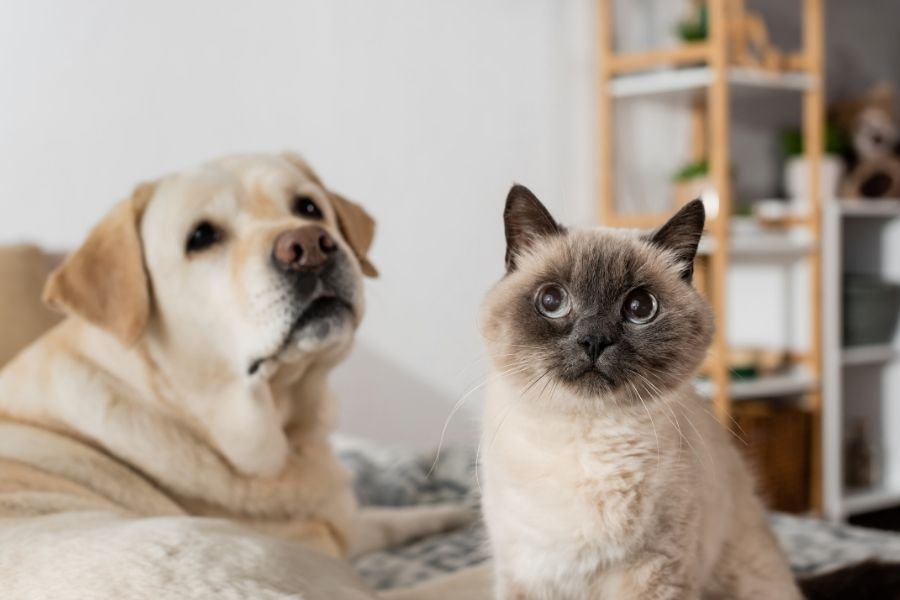
Some animals do more than share your home. They watch for you at the window. They notice when your mood shifts. They stay close when life gets hard. The bond between humans and animals has been studied, celebrated, and cherished across every culture in recorded history. This loyal animal companions list covers ten species and breeds that consistently stand out for their devotion. Whether you are choosing a pet for the first time or simply curious about what makes certain animals so connected to the people they love, this guide gives you real answers. Each entry is based on observed behavior, documented traits, and the kind of firsthand experience that builds over years of working with animals. Read on to discover which companions have earned the title of truly loyal.
Which Animals Top the Loyal Animal Companions List?
Which animals make the cut when loyalty is the deciding factor? The loyal animal companions list is built on consistent, observable behavior: staying close under stress, returning reliably, responding to their owner’s emotional state, and showing protective instincts without aggression.
Here are the top 10, in no particular ranking:
- Dogs (domestic)
- Horses
- Cats (domestic)
- Parrots
- Elephants
- Goats
- Dolphins
- Rabbits
- Rats
- Geese
Each of these animals has demonstrated repeated, documented loyalty in both domestic and wildlife settings. The species that top this list are not just pets. They are partners.
Most Loyal Dog Breeds Ever Recognized by Pet Owners and Vets
Dogs have earned the title of humanity’s most loyal companion for thousands of years. But loyalty varies significantly across breeds. The most loyal dog breeds ever recognized share a few key traits: strong bonding instincts, high social sensitivity, and a drive to stay close to their person.
German Shepherd. Bred for protection and work, German Shepherds form intense, lasting bonds. They are used in military and law enforcement worldwide because their loyalty holds even under extreme pressure.
Golden Retriever. One of the most emotionally attuned breeds. Golden Retrievers track their owner’s moods and adjust their behavior accordingly. Many pet owners report that their Goldens refused to leave their side during illness or grief.
Labrador Retriever. Labs are consistently ranked among the most loyal dog breeds ever by behavior researchers. Their low aggression combined with high devotion makes them ideal family companions.
Akita. Japan’s most celebrated loyal dog, the Akita breed was immortalized by Hachiko, who waited at a train station for his deceased owner for nearly a decade. The breed’s loyalty is not affectionate in the typical sense. It is quiet, steadfast, and unwavering.
Border Collie. Bred to work closely alongside humans, Border Collies track every movement and signal from their owners. Their loyalty expresses itself through attentiveness and cooperation.
In our experience, dogs that receive consistent training, structure, and affection from an early age develop the deepest loyalty bonds. Sporadic attention produces anxious, inconsistent behavior. Regular veterinary care for dogs and cats supports this bonding by keeping pets healthy, pain-free, and emotionally stable.
Do Cats Belong on a Loyalty List? The Evidence Says Yes
Pet owners often tell us that their cats are “not loyal like dogs.” The science disagrees. A study published in behavioral research literature found that cats show secure attachment to their owners at comparable rates to dogs and human infants.
Cats express loyalty differently. A dog follows you from room to room. A cat chooses to be near you, which is a more deliberate act for a species that is naturally independent. Many cats will:
- Wait by the door at their owner’s regular arrival time
- Seek out their person specifically when stressed
- Sleep on or near their owner exclusively, even in a multi-person household
- Show signs of depression and behavior change after their owner passes away
Domestic cats have coexisted with humans for roughly 10,000 years. That relationship was never forced. Cats chose proximity to people. That choice is its own form of loyalty.
Loyal Exotic Pets for Families That Want a Deeper Bond
Beyond dogs and cats, several exotic species form bonds that rival anything in the domestic pet world.
Parrots live 20 to 80 years depending on species. They learn their owner’s voice, mimic speech, and show measurable distress when separated from their bonded person. African Greys in particular are recognized for emotional depth and long-term attachment.
Horses form social hierarchies and identify individual humans within them. A horse that trusts its rider will move through fear responses it would never overcome alone. That trust, once built, is extraordinarily durable.
Rats consistently surprise new owners with their affection. Many loyal exotic pets for families include domestic rats because they learn their owner’s scent quickly, actively seek human contact, and demonstrate grief behavior when separated from bonded companions.
Rabbits are territorial and cautious by nature. When a rabbit chooses to bond with a person, it is a genuine behavioral decision. Bonded rabbits follow their owners, seek petting, and respond to their name reliably.
Geese form lifelong pair bonds in the wild and apply the same intensity to human relationships. A goose that imprints on a person may follow them persistently for years and show protective behavior toward them.
One of the most common questions we get from pet owners is whether exotic pets can feel true attachment. The behavioral evidence across these species says yes, clearly and repeatedly.
What Are the Signs Your Pet Trusts You?
Signs your pet trusts you are consistent across species, even if the expressions differ. Trust and loyalty are linked. An animal that trusts its human is also demonstrating a form of loyalty.
Look for these behaviors:
- Relaxed body language near you. A relaxed dog rolls onto its back. A relaxed cat exposes its belly. A relaxed rabbit flops onto its side.
- Eye contact held calmly. Animals that feel threatened avoid sustained eye contact. Animals that trust their owner hold it comfortably.
- Seeking you out during stress. When something frightens your pet, do they move toward you or away? Moving toward you is one of the clearest signs your pet trusts you.
- Slow blinking. In cats especially, a slow blink is a direct trust signal. Returning it reinforces the bond.
- Physical contact initiation. Any animal that chooses to press against you, lean on you, or rest a paw on your leg is communicating trust through physical proximity.
We frequently remind our clients that trust must be earned and maintained. A pet that trusts you today can lose that trust through inconsistent handling, pain, or fear. Regular veterinary checkups catch pain early, which keeps bonding intact.
Bonding With Your Pet: Practical Tips That Build Real Loyalty
Bonding with your pet tips are most effective when they match your specific animal’s natural behavior and communication style. Loyalty is not automatic. It is built.
Consistency builds security. Animals bond most deeply with people who behave predictably. Feed, exercise, and interact at regular times. Routine reduces anxiety and creates space for genuine attachment.
Match your energy to your pet. A nervous owner produces a nervous pet. Calm, confident handling tells your animal that the environment is safe. That safety is the foundation of loyalty.
Physical contact matters, but follow your pet’s lead. Force affection on any animal and you undermine trust. Wait for your pet to initiate contact, then respond warmly. Over time, initiation becomes more frequent.
Play is a bonding tool. Play activates the same reward systems that social bonding does in the animal brain. Daily structured play with dogs, enrichment activities with parrots, and puzzle feeders for cats all build positive associations with you.
Prioritize health. A pet in pain cannot bond. Dental disease, joint discomfort, and undetected illness all suppress bonding behavior. Bonding with your pet tips only works when your animal feels well. At Pooler Veterinary Hospital, we see the difference that consistent preventive care makes in how openly animals engage with their families.
Conclusion
Loyalty in animals is real, observable, and rooted in trust built over time. This loyal animal companions list covers species as different as geese and German Shepherds, but all share a common thread: they bond to the humans who treat them consistently, handle them calmly, and keep them healthy. Whether you share your home with a dog, a cat, a parrot, or a rabbit, the foundation of that loyalty is the same. Healthy animals bond more deeply. Animals that are pain-free, well-nourished, and regularly examined by a veterinarian show stronger attachment behaviors and more stable temperaments. The team at Pooler Veterinary Hospital is here to help you support that bond at every stage of your pet’s life. Book an appointment today.
Frequently Asked Questions
Q: What is the most loyal animal companion for families?
Ans: Dogs are consistently ranked as the most loyal family companions, with breeds like Golden Retrievers, Labrador Retrievers, and German Shepherds leading the list. However, horses, parrots, and domestic rats also form deep, lasting bonds with the right family.
Q: Can cats be loyal to their owners?
Ans: Yes. Research shows cats form secure attachments to their owners at rates similar to dogs. They express loyalty differently, through chosen proximity, protective behavior, and emotional responsiveness, rather than constant physical following.
Q: What are the signs your pet trusts you?
Ans: Key signs include relaxed body language near you, sustained calm eye contact, seeking you out when frightened, slow blinking (in cats), and initiating physical contact. These behaviors indicate trust, which is the foundation of loyalty.
Q: How do you build a stronger bond with an exotic pet like a parrot or rabbit?
Ans: Consistency, calm handling, and following your pet’s lead on physical contact are most effective. Allow the animal to initiate interactions, use daily enrichment and play, and ensure routine veterinary care to keep the animal pain-free and emotionally stable.
Q: Do animals grieve when their bonded human is gone?
Ans: Yes. Dogs, cats, horses, parrots, and geese have all shown documented grief responses when separated from their bonded person through death or prolonged absence. Behavior changes such as loss of appetite, reduced activity, and vocalizing are common and real.

Ready To Visit Us?
We proudly serve the pets of Pooler, Bloomingdale, Savannah, Port Wentworth, Guyton,
Chatham County, GA and the surrounding areas. At every stage of your pet’s life, we are dedicated to giving
them veterinary treatment of the highest quality.