info@poolervet.com
How to Throw a Halloween Pet Party Your Furry Friends Will Actually Enjoy
Book Online
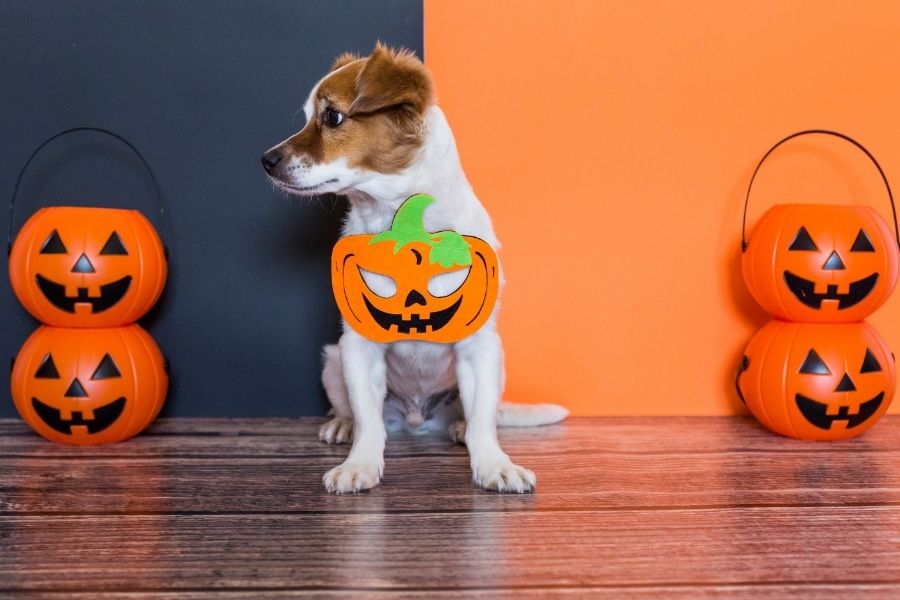
Halloween does not have to be an event your pet merely survives. With the right setup, it can actually be something they enjoy. Halloween pet party ideas are more popular than ever, and when done thoughtfully, a pet-centered celebration is a genuinely fun way to include your animals in the holiday without exposing them to the usual seasonal hazards. The key is understanding what actually appeals to your pet, and what looks festive from your perspective but creates stress or danger from theirs. A great pet Halloween party is built around what pets find genuinely rewarding: familiar smells, good food, gentle stimulation, and the company of people they trust. This guide walks you through exactly how to plan one, from safe treats and costume tips to managing the energy of multiple pets in one space.
What Pets Actually Enjoy at a Party (and What Stresses Them Out)
The most common mistake in planning a Halloween event that includes pets is designing it around what looks good in photos rather than what your pet actually responds to positively. Understanding this distinction is the foundation of a successful gathering.
Dogs are generally social and can handle moderate activity levels, new people, and stimulating environments, provided those environments feel safe and they have a place to retreat. Cats are far more territorial and easily overwhelmed by a house full of guests, unusual smells, and high noise levels. Even a dog that appears comfortable in a busy room is often working harder than you realize to manage their stress responses.
Dog friendly Halloween activities include nose-work games like a treat-stuffed pumpkin hunt, where small amounts of pet-safe food are hidden in low-risk areas for them to sniff out. This engages their natural scent instincts and tires them out mentally rather than physically, which produces a calmer, happier dog. For cats, engagement at a party should be entirely optional. Set up enrichment in a quiet room that they can access independently, and let them participate on their own terms.
An estimated 40% of dogs show signs of situational anxiety in crowded or unfamiliar social settings. Even dogs who love people may show stress signals like yawning, lip-licking, tucked tail, and excessive panting when the stimulation level climbs too high for too long. Build in a quiet recovery area for every dog attending.
Safe Treats for Dogs and Cats at a Halloween Party
The food element of a Halloween pet party requires some planning. Safe treats for dogs halloween must be species-appropriate, free of toxic ingredients, and served in portion-sized amounts. This is not a night to freestyle it with table scraps or shared human food.
Dog-safe Halloween treat ideas:
- Frozen pumpkin and plain yogurt bites: pure canned pumpkin (not pie filling) mixed with plain, unsweetened yogurt, poured into silicone molds and frozen
- Peanut butter stuffed mini Kongs: use plain peanut butter with no added salt or sweeteners, and always verify that xylitol is not in the ingredient list
- Baked sweet potato slices: a naturally sweet, low-ingredient treat that most dogs love
- Commercial dog biscuits shaped like Halloween themes: available at most pet stores and a simple, safe option
Cat-safe options:
- Small pieces of plain cooked chicken or turkey with no seasoning, bones, or skin
- Commercial cat treats in Halloween-themed shapes
- Plain cooked fish in very small amounts
Safe treats for dogs halloween should never include chocolate, raisins, grapes, macadamia nuts, anything with xylitol, or highly salted or seasoned human foods. Keep a strict separation between the human treat table and the pet treat station. Clearly label them, especially if children will be attending who might not understand the distinction.
How to Plan a Pet Halloween Party Step by Step
Planning ahead eliminates most of the risk and makes the event genuinely enjoyable rather than chaotic.
- Choose a guest list of compatible pets. Not all dogs enjoy being around other dogs, and most cats prefer not to share space with dogs they do not know. Stick to pets that have met before and have demonstrated positive or neutral relationships.
- Set up a safe room for any pet that needs a break. Every attending pet should have access to a quiet room with water, a familiar bed, and no decorations. This is their off-switch for the evening.
- Replace all open-flame candles with battery-operated LED versions. Candles and a room full of curious pets are a fire hazard.
- Plan dog friendly halloween activities for the guests. A costume contest, a treat-hunting game, or a simple photobooth with a pet-safe backdrop are all options that engage pets without overwhelming them.
- Station all food and treats at a height pets cannot access. This applies to both human food and pet treats that are meant to be given in moderated amounts.
- Brief human guests before they arrive. Let them know which foods not to share with the pets, how to greet any shy or anxious animals, and which areas are off-limits.
- Keep the event to a reasonable length. Two to three hours is appropriate for most dogs. Beyond that, fatigue and overstimulation begin to create behavioral issues even in social, well-adjusted animals.
Pet Costume Safety Tips for a Halloween Party
Dressing pets in costumes is one of the most popular elements of a Halloween pet party. Done safely, it can be a fun moment. Done carelessly, it creates discomfort, injury risk, and for some animals, significant distress.
The first thing to understand is that most cats do not want to wear a costume. If your cat resists, do not force the issue. A bandana or a festive collar is a low-stress alternative that still gets the seasonal look without the battle.
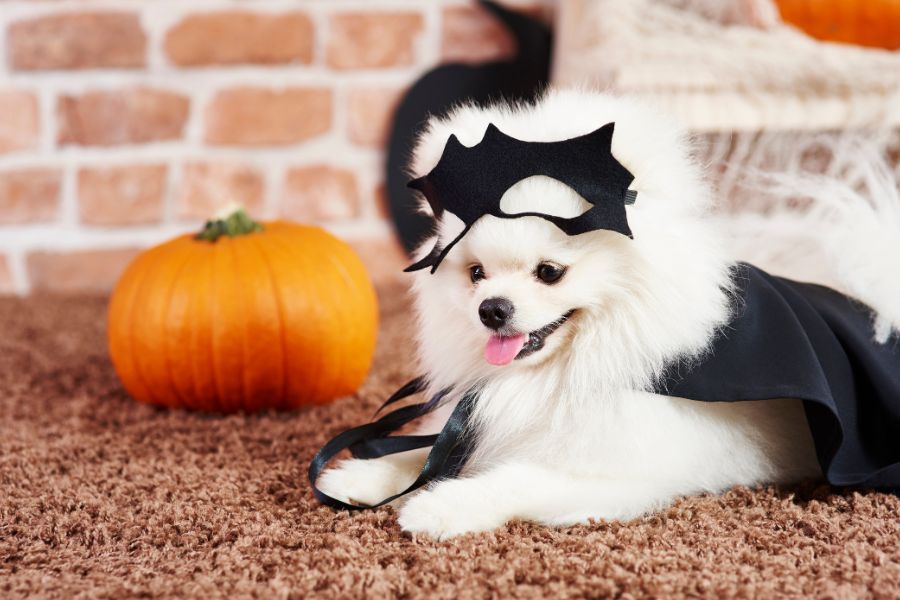
For dogs, costume safety tips begin with fit. A costume must allow free movement of all four limbs, must not restrict the neck, and must not cover the eyes, nose, or mouth. Any costume with dangling parts, small decorative attachments, or loose threads is a chew-and-swallow hazard, especially in a party environment where the dog is distracted and excited.
Introduce the costume before the party, not on the day. Let your dog sniff it, wear it for short periods at home, and associate it with treats and positive feedback. A dog who has practiced wearing a costume is far more relaxed in it than one who is put into it for the first time in front of a crowd.
Watch your pet throughout the event for how to keep pets calm at party moments that signal distress: trying to remove the costume, freezing, excessive panting, or pinning the ears back. Remove the costume immediately if your pet shows any of these signs.
Setting Up Your Space So the Party Is Pet-Safe
The physical setup of your home matters as much as the food and guest list. In Bloomingdale, GA, warmer October temperatures mean doors and windows may be open more than in northern states, which creates escape risks when pets are excited and distracted.
Go through your decorating choices with your pet’s safety as the filter. Fake cobwebs at floor level should be removed or repositioned. Motion-activated decorations with sudden sounds and lights should be kept in areas where pets are not expected to spend time. Small decorative pumpkins, skulls, and prop pieces should be kept off the floor entirely.
Check that any essential oil or scent diffusers you planned to use for atmosphere are pet-safe. Many popular fall and Halloween scents, including cinnamon, clove, and nutmeg, are toxic to cats and irritating to dogs. Opt for unscented candles or remove the diffuser for the evening.
Understanding how to keep pets calm at party means building the environment so they are not constantly being startled, crowded, or exposed to stimuli that overwhelm their senses. A well-designed space requires minimal intervention during the event.
The vet team at Pooler Veterinary Hospital loves seeing pets celebrated during the holidays, and we believe the best veterinary care includes helping pet owners create safe, joyful experiences at home. Halloween pet party ideas work best when safety and fun are equally part of the plan. Book an appointment today.
Frequently Asked Questions
Q: Can I invite cats and dogs to the same pet Halloween party?
Ans: It depends on the individual animals. Cats and dogs that already know each other and coexist calmly at home are better candidates than strangers. If you do include both, set up completely separate safe spaces for each species and give cats high-level perches or rooms with closed doors where they can observe or retreat at will.
Q: What are the safest costumes for dogs at a Halloween party?
Ans: The safest costumes are lightweight, well-fitted, and free of small detachable pieces. Avoid anything that covers the eyes or mouth, restricts limb movement, or has strings and dangles. Introduce the costume at home before the event and use positive reinforcement. A themed bandana or collar is always a safe alternative.
Q: What treats can I make for a dog Halloween party?
Ans: Frozen pumpkin and yogurt bites, baked sweet potato slices, and plain peanut butter stuffed Kongs are all popular options. Use plain canned pumpkin, not pie filling. Check all peanut butter labels for xylitol, which is toxic to dogs. Keep portions small and track how much each dog is eating throughout the party.
Q: How do I know if my dog is stressed at the party?
Ans: Watch for yawning when not tired, lip licking, tucked tail, flattened ears, excessive panting, or trying to move away from guests. A dog that is panting and unable to settle is showing stress, even if they are not acting out. Offer them time in the quiet room and reduce the number of people interacting with them at once.
Q: Is it safe to have Halloween decorations at a pet party?
Ans: Yes, with modifications. Replace candles with battery LED lights. Remove small props from floor level. Avoid motion-activated decorations with sudden loud sounds. Skip essential oil diffusers with fall scents that are toxic to cats. The goal is a festive atmosphere that does not create hazards for curious pets exploring the space.
Ready To Visit Us?
We proudly serve the pets of Pooler, Bloomingdale, Savannah, Port Wentworth, Guyton,
Chatham County, GA and the surrounding areas. At every stage of your pet’s life, we are dedicated to giving
them veterinary treatment of the highest quality.