info@poolervet.com

Difficulty Breathing in Cats: When Urgent Vet Care Is Needed
Book Online
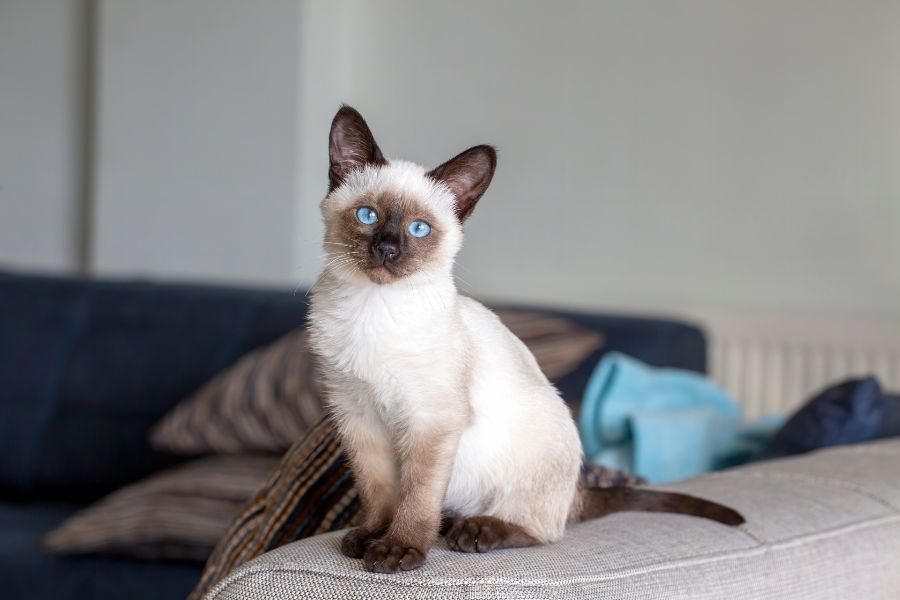
Most cat owners know when their pet is off. A slight change in posture, a quiet meow replaced by silence, a cat that normally greets you at the door sitting hunched in the corner. Breathing problems in cats often start with exactly these kinds of subtle shifts before they become impossible to ignore. Cat breathing difficulty signs can escalate from mild to critical faster than with almost any other symptom, which is why recognizing them early and acting quickly is so important. Unlike dogs, cats do not pant to regulate temperature. Any change in the way a cat breathes, its rate, its depth, or its pattern is a potential medical signal. This guide explains what normal cat breathing looks like, how to identify when something is wrong, what causes respiratory distress, and when your cat needs to be seen the same day.
Understanding How Cats Normally Breathe
A healthy cat at rest breathes between 15 and 30 times per minute. Breathing should be quiet, effortless, and invisible unless you are watching closely. You should not be able to hear your cat breathe from across the room. You should not see their sides heaving or their nostrils flaring with each breath.
Normal breathing in cats requires minimal effort from the respiratory muscles. The chest rises and falls gently. The belly remains relatively still. A cat that is breathing normally looks relaxed, with their mouth closed and their posture comfortable.
Respiratory illness in cats is more common than many owners realize. Studies in feline medicine suggest that upper respiratory infections affect a significant portion of cats over their lifetime, and lower respiratory diseases like asthma affect an estimated 1 to 5 percent of the domestic cat population.
What Does Abnormal Breathing Look Like in a Cat?
Abnormal breathing in a cat looks like visible effort, unusual sounds, or a change in posture that the cat adopts to help themselves breathe. These are the most reliable cat breathing difficulty signs to recognize.
Look for these indicators:
- Open-mouth breathing: Cats almost never breathe with their mouths open except in extreme stress or heat. It is always a red flag that requires immediate attention.
- Rapid breathing at rest: A resting cat breathing more than 30 to 40 times per minute is experiencing respiratory distress.
- Belly breathing: When the abdomen moves noticeably with each breath, the cat is working harder than normal to get air.
- Extended neck and elbows out: A cat stretching their neck forward and planting their elbows wide is repositioning to open their airway. This posture signals significant respiratory distress.
- Blue, gray, or pale gums: Discoloration of the gums or tongue means oxygen is not reaching the tissues. This is a critical emergency.
- Wheezing or crackling sounds: Unusual sounds during breathing may indicate fluid in the lungs, narrowed airways, or obstruction.
In our experience, the cats brought in for breathing difficulties most often arrive with their owners saying the cat had “just been quiet” for a few hours before suddenly looking worse. Respiratory distress can progress rapidly in cats.
What Causes Breathing Problems in Cats?
Labored breathing in cats results from several different conditions, ranging from common to serious.
Feline asthma is one of the most common causes of breathing distress in cats. It produces episodes of wheezing, coughing, and rapid breathing that can look dramatic and resolve quickly, only to return. In the American South, including areas around Bloomingdale, pollen counts and indoor allergens like dust mites can trigger asthma episodes year-round due to the warm, humid climate.
Pleural effusion, the accumulation of fluid around the lungs, prevents the lungs from expanding properly. Cats with this condition often prefer to sit upright and breathe shallowly. Heart disease, infection, and cancer can all lead to fluid buildup. Upper respiratory infections from common feline viruses cause nasal congestion and breathing noise that, while uncomfortable, is usually less immediately dangerous than lower respiratory disease.
Cat breathing problems at home can also result from trauma, a foreign object in the airway, or a reaction to a toxin. Cats that go outdoors or have access to garages or storage areas in Bloomingdale face exposure to fumes, cleaning products, and pesticides that can irritate or damage the respiratory tract.
How Vets Diagnose and Treat Respiratory Distress in Cats
When a cat arrives with respiratory distress, the veterinary team stabilizes the patient before running diagnostics.
- Oxygen support: Many cats with breathing difficulty receive supplemental oxygen as the first step to reduce distress.
- Chest X-ray: Imaging reveals fluid accumulation, lung changes, masses, or airway abnormalities.
- Ultrasound: An ultrasound helps assess the heart and identify fluid around the lungs.
- Blood panel: A full blood count and chemistry panel evaluate for infection, organ disease, and anemia.
- Bronchodilator treatment: Cats with asthma often respond quickly to bronchodilators administered by injection or inhaler.
Respiratory distress in cats responds well to treatment when care begins early. Many cats we see with asthma or pleural effusion stabilize significantly within hours of starting the right protocol. The key factor in these cases is always how quickly the owner acted on the early signs.
When Your Cat Cannot Wait for a Regular Appointment
Knowing when to take cat to vet for breathing concerns requires you to act on what you observe rather than waiting for certainty.
Go the same day if your cat is open-mouth breathing, breathing more than 40 times per minute at rest, sitting in an extended-neck posture, has pale or blue gums, or has had any exposure to a potential toxin. Do not attempt to examine your cat’s mouth or throat at home. Do not give any medication without veterinary guidance.
Pooler Veterinary Hospital provides prompt evaluation for cats showing cat breathing difficulty signs. Our team understands how critical these situations are and how quickly respiratory conditions can change in cats. If your cat is showing any of the warning signs above, call us immediately at (912) 748-0709. When a cat needs pet urgent care for a breathing problem, time matters more than almost anything else.
Conclusion
Cat breathing difficulty signs are among the most important symptoms a cat owner can learn to recognize. Normal breathing is quiet, effortless, and closed-mouthed. Any deviation from that pattern, whether it is open-mouth breathing, visible effort, unusual sounds, or a change in posture, deserves same-day veterinary attention. Causes range from feline asthma to fluid accumulation to infection, and most are treatable when addressed early. The biggest obstacle to good outcomes is the time between when a cat first shows signs and when a vet sees them. Trust what you observe, act quickly, and know that reaching out sooner gives your cat a better chance at a full recovery. Book an appointment today.
Frequently Asked Questions
Q: Is it normal for a cat to breathe with their mouth open?
Ans: No. Unlike dogs, cats do not pant to cool themselves. Open-mouth breathing in a cat almost always signals respiratory distress, heatstroke, or extreme stress and requires same-day veterinary evaluation.
Q: How do I know if my cat is breathing too fast?
Ans: Count your cat’s breaths for 30 seconds while they are resting and multiply by two. Anything consistently above 30 breaths per minute at rest is elevated and worth a call to your vet. Above 40 breaths per minute warrants a same-day visit.
Q: Can cats have asthma?
Ans: Yes. Feline asthma is a common condition that causes coughing, wheezing, and episodes of labored breathing. It is manageable with medication and environmental adjustments, but it requires proper diagnosis by a veterinarian before any treatment begins.
Q: What should I do if my cat is struggling to breathe?
Ans: Keep your cat calm and in a carrier with good airflow. Do not restrain them tightly or examine their throat. Call your vet immediately and describe what you are seeing. Respiratory distress in cats requires prompt professional evaluation.
Q: Can breathing problems in cats be caused by allergies?
Ans: Yes. Environmental allergens like pollen, dust, and mold can trigger respiratory symptoms in cats, particularly in cats with asthma. Identifying and reducing allergen exposure, combined with veterinary-prescribed medication, can help manage chronic respiratory symptoms.



Ready To Visit Us?
We proudly serve the pets of Pooler, Bloomingdale, Savannah, Port Wentworth, Guyton,
Chatham County, GA and the surrounding areas. At every stage of your pet’s life, we are dedicated to giving
them veterinary treatment of the highest quality.