info@poolervet.com

How Often Should Your Pet Have a Wellness Exam and Why It Matters
Book Online
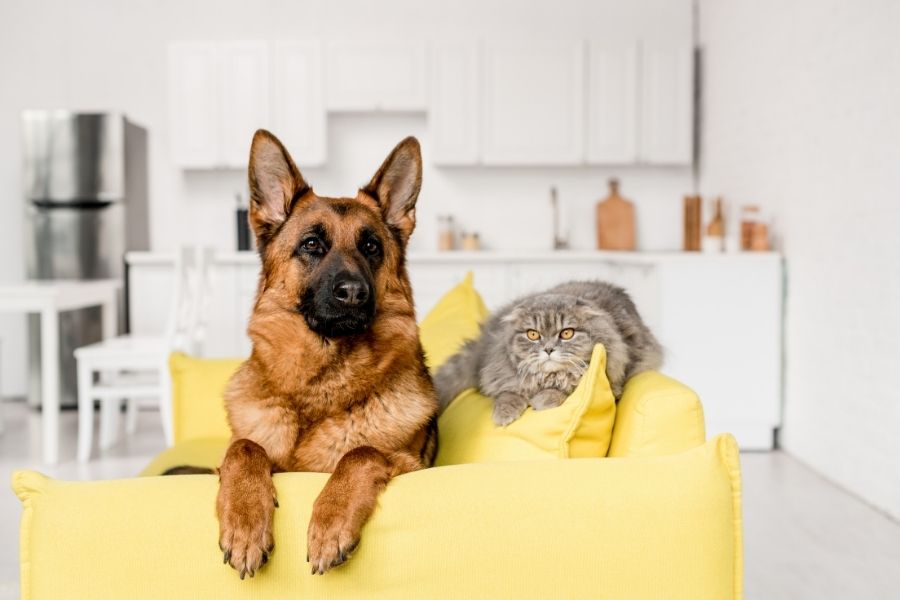
You love your pet. You feed them well, keep them active, and notice when something feels off. But here is a truth many pet owners miss: animals are remarkably good at hiding discomfort. By the time your dog or cat shows obvious signs of illness, the problem has often been developing for months. A pet wellness exam is the most reliable tool you have for catching those hidden issues before they become serious. In this article, you will learn how often your pet should be seen, what happens during a routine visit, and why skipping even one annual exam can have real consequences for your pet’s health.
What Happens During a Routine Wellness Visit
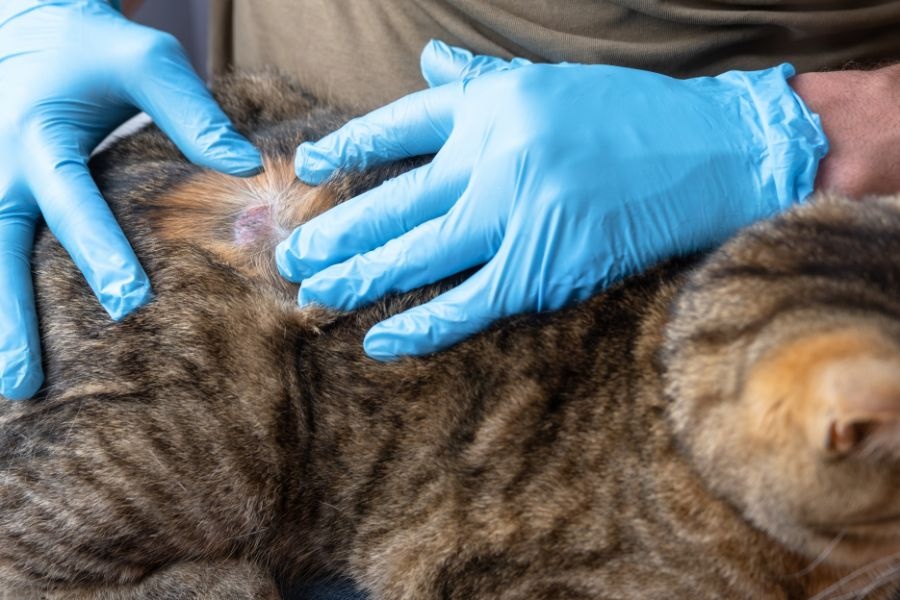
A pet wellness visit is far more than a quick once-over. When your veterinarian examines your pet, they are running a head-to-tail physical assessment that covers eyes, ears, teeth, skin, coat, lymph nodes, abdomen, and heart and lung function. It is the kind of thorough evaluation that a pet owner simply cannot replicate at home, no matter how attentive they are.
Dental disease affects an estimated 80% of dogs and 70% of cats over age three, and it is one of the most common findings at routine wellness visits. Most pet owners are surprised to learn this because their pet showed no obvious signs of mouth pain. That is exactly the point. Many of the conditions your vet identifies during a routine vet checkup schedule are invisible at home and only detectable through hands-on examination.
Blood panels, urinalysis, parasite screening, and heartworm testing are often performed during these visits to build a picture of your pet’s internal health. This baseline data is valuable because it gives your veterinarian something to compare against in future years. A subtle shift in kidney values or white blood cell count can signal an emerging problem long before symptoms appear.
How Often Should Pets See the Vet?
The answer depends on your pet’s age, species, and health history, but here are the general guidelines most veterinarians follow:
Puppies and kittens (under 1 year): Every 3 to 4 weeks during the first few months for vaccines, parasite control, and developmental checks. At least one comprehensive physical before 6 months.
Adult dogs and cats (1 to 7 years): Once per year for a full annual pet health check. Healthy adults still need this yearly visit even when they appear perfectly fine.
Senior pets (7 years and older): Every 6 months. Age-related conditions such as arthritis, kidney disease, thyroid dysfunction, and cognitive decline progress quickly in older animals. A six-month gap between exams is the safe standard.
Pets with chronic conditions: As often as your veterinarian recommends, which may be every 3 months.
If you are unsure where your pet falls, a good rule of thumb is this: one human year is roughly equivalent to 5 to 7 pet years depending on the species and breed. Your pet ages faster than you do, and their health needs reflect that pace.
Signs Your Pet May Need a Visit Before the Annual
Scheduled exams are essential, but they are not the only time your pet should be seen. Watch for these signs your pet needs vet attention between routine appointments:
- Sudden weight loss or gain. Unexplained changes in body weight can point to thyroid disorders, diabetes, or gastrointestinal problems.
- Changes in drinking or urination habits. Increased thirst combined with more frequent urination is a common early indicator of kidney disease or diabetes in both dogs and cats.
- Lethargy lasting more than 48 hours. Brief tiredness is normal. Prolonged low energy is not.
- Vomiting or diarrhea more than once or twice. Many cat owners assume occasional vomiting is normal. In reality, chronic vomiting often signals an underlying issue that warrants a proper workup.
- Limping, stiffness, or reluctance to move. These are common signs of pain that pets rarely vocalize.
- Changes in eating habits. Skipping meals, eating too fast, or dropping food can all indicate dental pain or digestive trouble.
In our experience, many dogs presenting with excessive thirst and lethargy are showing early signs of kidney disease, not just a seasonal change in behavior. Pet owners who wait to see if things improve on their own often lose weeks of treatment time that cannot be recovered.
If you notice any of these signs, contact your veterinarian promptly rather than waiting for the next scheduled visit.
Why Preventive Care Saves More Than It Costs
One of the most persistent misconceptions in pet ownership is that wellness visits are only necessary when something is wrong. The opposite is true. Preventive care is almost always less expensive, less invasive, and more effective than treating a condition that has been allowed to progress.
Catching heartworm disease in its early stages, for example, is managed with a monthly preventive. Treating an advanced infection requires a far more intensive protocol with a longer recovery window. The same logic applies to dental disease, obesity-related conditions, and early-stage organ dysfunction.
In Georgia, where heartworm risk is elevated year-round due to the warm, humid climate in areas like Bloomingdale, the annual pet health check is also a critical moment to review parasite prevention protocols. Mosquito exposure is persistent in the Southeast, and lapsed prevention can allow an infection to develop without any outward signs for months.
The routine vet checkup schedule is not just about vaccines and paperwork. It is the single best opportunity for your veterinarian to catch what you cannot see and to make sure your prevention plan matches your pet’s actual risk level where you live.
Choosing the Right Veterinary Team for Ongoing Care
Not all wellness care is equal. When choosing a veterinary practice for your pet’s ongoing health, look for a team that takes time to explain findings, gives you a written summary of your visit, and flags anything they want to monitor at the next appointment.
Consistency matters. Seeing the same veterinary team year after year means your pet’s health history is known, not just on paper but by a team that has actually examined them. Changes that might seem minor on a chart become meaningful when a veterinarian has seen your pet across multiple visits.
At Pooler Veterinary Hospital, patients in Bloomingdale, GA and the surrounding communities receive thorough, individualized wellness care designed to support long, healthy lives. Signs your pet needs vet attention are rarely obvious, and having a trusted team who knows your pet makes all the difference.
Conclusion
Your pet cannot tell you when something feels wrong. That is why a pet wellness exam is one of the most important commitments you can make as a pet owner. Whether you have a puppy just starting out, a healthy adult in their prime, or a senior companion slowing down with age, routine veterinary care keeps your pet healthier longer and gives you peace of mind. Do not wait for a problem to appear. Preventive exams exist precisely because the best health outcomes happen before symptoms ever show up. The team at Pooler Veterinary Hospital is here to help your pet thrive at every stage of life. Book an appointment today.
Frequently Asked Questions
Q: How often should a healthy adult dog or cat have a wellness exam?
Ans: Healthy adult dogs and cats between the ages of 1 and 7 should have a full wellness exam once per year. Even when your pet appears healthy and active, an annual visit allows your veterinarian to detect early changes in organ function, dental health, and body condition that are not visible at home.
Q: At what age should pets start getting more frequent checkups?
Ans: Most veterinarians recommend increasing wellness visits to every six months once a pet reaches age 7. Senior pets age more rapidly than younger animals, and conditions such as arthritis, kidney disease, and thyroid dysfunction can develop and progress quickly. Earlier detection leads to better management and a better quality of life.
Q: What does a pet wellness exam include?
Ans: A standard wellness exam includes a full physical assessment of your pet’s eyes, ears, teeth, skin, coat, lymph nodes, abdomen, heart, and lungs. Depending on your pet’s age and history, your veterinarian may also recommend blood work, urinalysis, heartworm testing, fecal parasite screening, and a review of your current vaccination and prevention schedule.
Q: Is a wellness exam necessary if my pet seems completely healthy?
Ans: Yes. Many conditions, including dental disease, early kidney dysfunction, and heartworm infection, show no obvious symptoms in the early stages. Wellness exams are specifically designed to detect these hidden issues before they become more serious and harder to treat. A pet that appears healthy can still have developing conditions that only a physical examination and lab work will reveal.
Q: How do I know if my pet needs a vet visit between scheduled wellness exams?
Ans: Contact your veterinarian if you notice sudden weight changes, increased thirst or urination, persistent vomiting or diarrhea, low energy lasting more than two days, limping, stiffness, or changes in eating habits. These signs can indicate conditions that need prompt attention and should not be monitored at home while waiting for a scheduled visit.

Ready To Visit Us?
We proudly serve the pets of Pooler, Bloomingdale, Savannah, Port Wentworth, Guyton,
Chatham County, GA and the surrounding areas. At every stage of your pet’s life, we are dedicated to giving
them veterinary treatment of the highest quality.