info@poolervet.com

Signs Your Dog May Be Experiencing Head Pain
Book Online
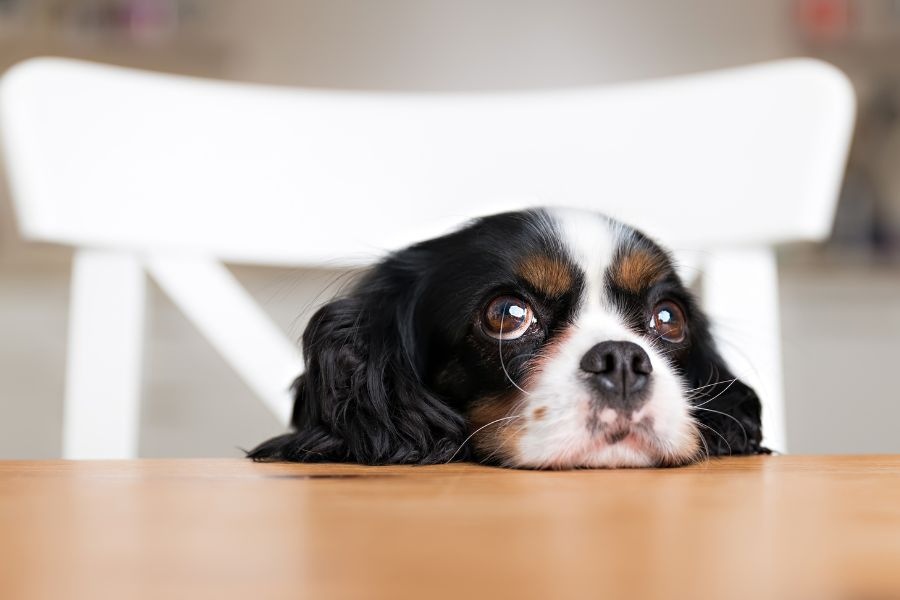
Dogs can’t tell you when their head hurts. That silence makes recognizing dog head pain signs one of the most challenging parts of being a responsible pet owner. A dog suffering from head discomfort will often show subtle behavioral and physical changes that are easy to miss or misread. Lethargy gets blamed on the heat. Squinting gets dismissed as sleepiness. But these small signals can point to something that needs veterinary attention. Head pain in dogs can stem from a range of causes, including infections, dental disease, neurological conditions, and injury. Knowing what to look for gives you a better chance of catching a problem early. This article walks you through the most important warning signs, what causes head pain in dogs, how it’s diagnosed, and what you can do at home while you wait for your vet appointment.
What Are the Signs of Head Pain in Dogs?
Head pain in dogs does not look the same as it does in people. Dogs rarely hold their heads or cry out. Instead, they show a cluster of subtle changes that, taken together, point to discomfort in or around the head. The most common dog head pain signs include:
- Pressing their head against a wall or floor. This is called head pressing and is a serious neurological signal. It is not the same as a dog resting their head on furniture.
- Reluctance to be touched around the face, ears, or neck. A normally affectionate dog that flinches or pulls away when you reach for their head is communicating discomfort.
- Squinting or holding one eye partially closed. This often signals pressure, eye pain, or nerve involvement.
- Reduced appetite or difficulty chewing. Dental pain and jaw discomfort are common contributors to head pain.
- Unusual stillness or withdrawal. A dog in head pain often stops playing, exploring, or engaging.
Pet owners often tell us their dog “just wasn’t acting right” for a day or two before they brought them in. Trust that instinct. If something feels off, it usually is.
Why Dogs Get Head Pain: Causes and Risk Factors
Head pain in dogs can come from many different sources. Understanding the most common causes helps you provide useful information to your vet.
Dental disease is one of the most overlooked contributors. Infection or abscess in the teeth and gums can radiate pain into the jaw, sinuses, and skull. An estimated 80% of dogs over age 3 show some degree of dental disease, making it a leading source of undiagnosed head discomfort.
Ear infections are another frequent cause, especially in dogs with floppy ears or allergies. When an infection spreads deeper into the ear canal, it can create pressure that dogs experience as head pain. In Georgia’s humid climate, ear infections tend to flare up during warm, wet months, making this a year-round concern in our region.
Other causes include:
- Head trauma, even from a minor bump or fall
- Sinus infections following a respiratory illness
- Hypertension (high blood pressure), which can cause neurological symptoms
- Brain or spinal conditions, including tumors or meningitis
- Toxin exposure, including certain plants, chemicals, or human medications
Older dogs and certain breeds, including Cavalier King Charles Spaniels and Boxers, may be at higher risk for neurological causes of head pain.
Behaviors That Signal Your Dog Is in Discomfort
Dogs are instinctively wired to hide pain. In the wild, showing weakness invites danger. That survival instinct means the behavioral changes linked to head discomfort are often quiet and easy to rationalize away.
Watch for dog headache symptoms like:
- Sensitivity to light. A dog that retreats to a dark corner or keeps their eyes partially closed in normal lighting may be reacting to light sensitivity tied to head pain.
- Vocalizing without a clear reason. Whimpering, whining, or growling when nothing has provoked them can signal internal discomfort.
- Pacing or restlessness. Inability to settle, especially at night, often reflects ongoing pain.
- Changes in posture. Holding the head low, tilting it to one side, or walking with a stiff neck are all worth noting.
- Aggression or irritability. A normally gentle dog that snaps when touched near the head is communicating pain, not behavioral issues.
In our experience, dogs showing dog squinting and lethargy together for more than 24 hours almost always have something going on that warrants a same-day call to your vet. These two signs together carry more weight than either would alone.
Many dog owners assume a quiet or “calm” dog is simply in a good mood. In reality, prolonged stillness in an active dog is often a pain response. Do not wait for dramatic symptoms before reaching out.
How Veterinarians Diagnose the Cause of Head Pain
Getting to the root cause of head pain requires a methodical approach. There is no single test that confirms a dog is experiencing head pain. Diagnosis involves ruling out causes systematically.
A typical diagnostic process may include:
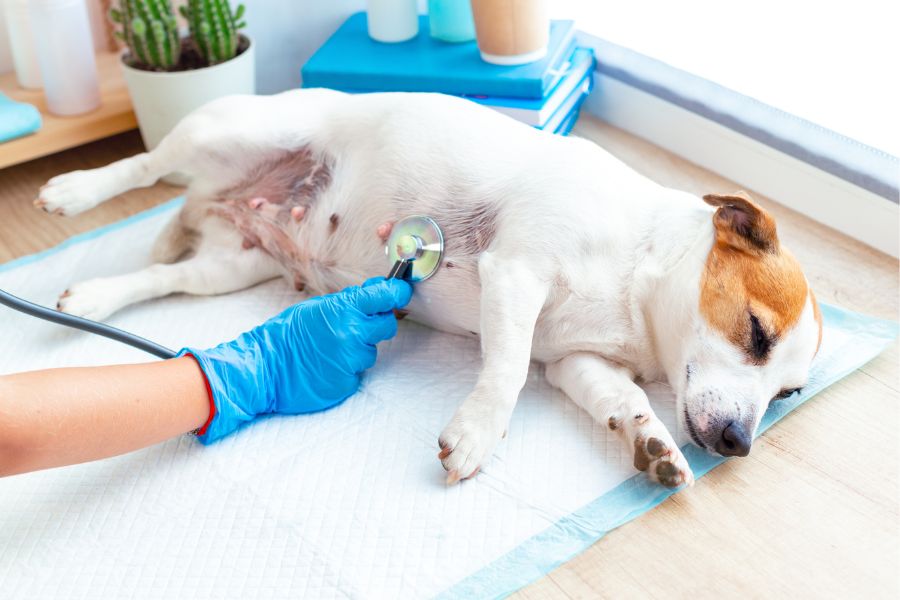
- Physical and neurological exam. Your vet will observe your dog’s gait, reflexes, posture, and responses to touch. They will check the ears, eyes, mouth, and lymph nodes.
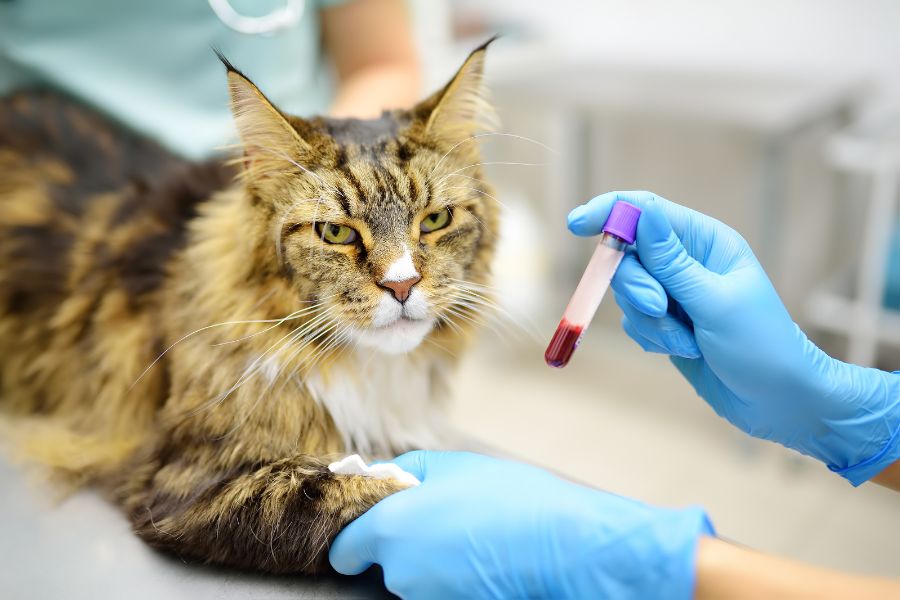
- Blood work and urinalysis. These help identify infections, organ dysfunction, or systemic diseases, including hypertension.
- Imaging. X-rays can reveal dental disease, skull fractures, or sinus involvement. MRI or CT scans are used when neurological causes are suspected.
- Ear cytology. If an ear infection is suspected, a sample is examined to identify the organism and guide treatment.
- Blood pressure measurement. Often overlooked, high blood pressure is a significant but treatable cause of neurological symptoms in dogs.
Thorough pet diagnostic care at this stage is critical. A correct diagnosis determines whether treatment is a course of antibiotics, a dental procedure, medication for blood pressure, or something more involved. Acting on assumptions without diagnostics risks missing the actual cause.
Many dogs we see with dog neurological symptoms, such as head pressing or circling, turn out to have a treatable underlying condition, including ear disease or elevated blood pressure, that responds well once identified.
What You Can Do at Home and When to Go to the Vet
There is limited safe intervention you can do at home for a dog in head pain. The most important thing is to avoid making it worse while you arrange veterinary care.
Here are responsible steps to take at home:
- Keep your dog calm and in a quiet space. Minimize noise, bright light, and excitement.
- Do not give human pain medications. Ibuprofen, acetaminophen, and aspirin are toxic to dogs. Never administer them, even in small amounts.
- Prevent further injury. If your dog seems disoriented or is pressing their head, remove objects they could walk into or fall from.
- Limit handling of the head, ears, and face. Touching painful areas increases distress.
- Note what you observe. Write down when symptoms started, what they look like, and whether anything changed. This information helps your vet significantly.
Dog sensitivity to touch around the head, especially combined with dog squinting and lethargy, should prompt a same-day or next-day vet visit. Head pressing or circling requires urgent veterinary attention. Do not wait overnight for those symptoms.
We frequently remind our clients that early care leads to faster recovery. Pooler Veterinary Hospital is here to help you assess what your dog is experiencing and determine the right next steps.
Watching for Dog Neurological Symptoms That Need Immediate Attention
Some symptoms signal that head pain has escalated into a neurological crisis. These require prompt veterinary care without delay.
Seek immediate veterinary attention if your dog is showing:
- Head pressing against walls or the floor continuously
- Circling in one direction repeatedly
- Sudden loss of coordination or falling over
- Seizures or convulsions
- Sudden blindness or extreme light sensitivity
- Rapid involuntary eye movement (nystagmus)
These dog neurological symptoms can indicate serious conditions, including brain inflammation, severe hypertension, toxic exposure, or structural brain disease. The faster these are addressed, the better the outcome.
Do not attempt to manage these signs at home. Call your veterinarian immediately and describe exactly what you are observing. Seek immediate veterinary care at the nearest available facility.
Conclusion
Head pain in dogs is real, and the dog head pain signs are easy to overlook without knowing what to watch for. Changes in behavior, posture, sensitivity to touch, and eye appearance are the body’s way of communicating discomfort. If your dog seems off, do not dismiss it. Early attention leads to faster answers and better outcomes. The team at Pooler Veterinary Hospital is experienced in evaluating dogs showing signs of pain or neurological change, and we are here to help you get the clarity your pet deserves. Book an appointment today.
Frequently Asked Questions
Q: How can I tell if my dog has a headache?
Ans: Dogs cannot verbalize pain, but signs of a possible headache include sensitivity to light, reluctance to be touched on the head or face, squinting, unusual stillness, and loss of appetite. If several of these appear together, contact your veterinarian.
Q: What does head pressing in dogs mean?
Ans: Head pressing is when a dog pushes their head against a wall, floor, or furniture without an obvious reason. It is a serious neurological warning sign that requires prompt veterinary evaluation. Do not wait to see if it resolves on its own.
Q: Can dental disease cause head pain in dogs?
Ans: Yes. Dental infections and abscesses can radiate pain into the jaw, sinuses, and surrounding skull structures. Dental disease is one of the most common and underdiagnosed sources of head discomfort in dogs.
Q: Is it safe to give my dog pain medication at home for head pain?
Ans: No. Human pain medications including ibuprofen, acetaminophen, and aspirin are toxic to dogs and can cause serious harm. Never administer them without explicit veterinary guidance. Contact your vet for safe pain management options.
Q: When should I take my dog to the vet for head pain symptoms?
Ans: Schedule a same-day or next-day visit if your dog shows sensitivity around the head, unusual lethargy, squinting, or behavior changes lasting more than 24 hours. Seek immediate veterinary care for head pressing, circling, seizures, or sudden loss of coordination.

Ready To Visit Us?
We proudly serve the pets of Pooler, Bloomingdale, Savannah, Port Wentworth, Guyton,
Chatham County, GA and the surrounding areas. At every stage of your pet’s life, we are dedicated to giving
them veterinary treatment of the highest quality.